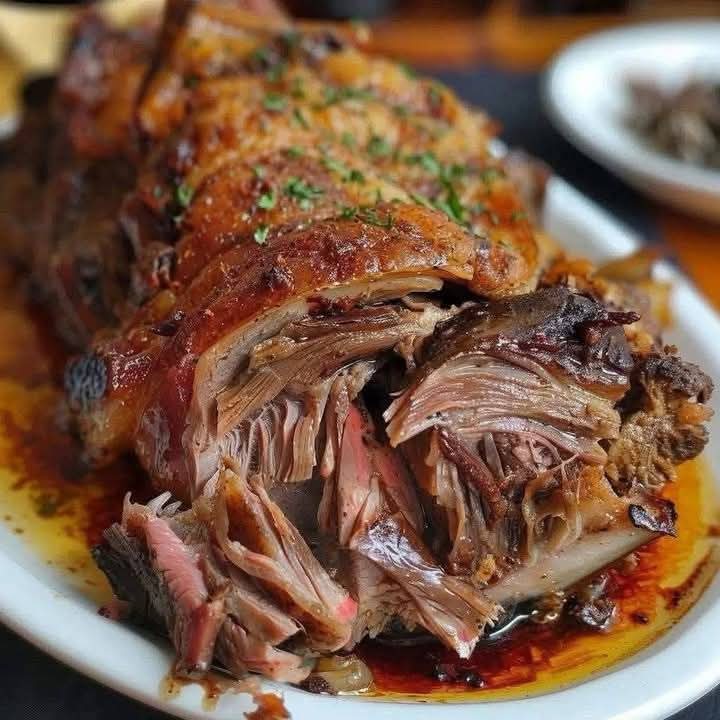
Pernil al Horno: A Flavorful Roasted Pork Delight

The Origins and Significance of Pernil
Pernil has deep cultural roots in Latin American culinary traditions. The term “pernil” comes from the Spanish word for ham or leg, and it refers to slow-roasted pork, often marinated with a blend of herbs, garlic, and citrus flavors. It is traditionally prepared for Christmas, New Year’s celebrations, and family gatherings, symbolizing abundance and togetherness.

Ingredients for a Perfect Pernil al Horno
To make the most flavorful and succulent pernil, you will need:

Main Ingredients:
1 (6-10 lb) pork shoulder (with skin on for crispy texture)
8-10 garlic cloves, minced
2 tablespoons olive oil
1/4 cup fresh lime juice
1/4 cup fresh orange juice (or sour orange juice)
2 tablespoons apple cider vinegar
2 teaspoons dried oregano
2 teaspoons ground cumin
2 teaspoons smoked paprika
1 tablespoon salt (or to taste)
1 teaspoon black pepper
1 teaspoon crushed red pepper flakes (optional for heat)
1 tablespoon fresh thyme or rosemary (optional)
Additional Items:
Aluminum foil
Large roasting pan
Sharp knife for scoring the skin
Step-by-Step Preparation of Pernil al Horno

Read more

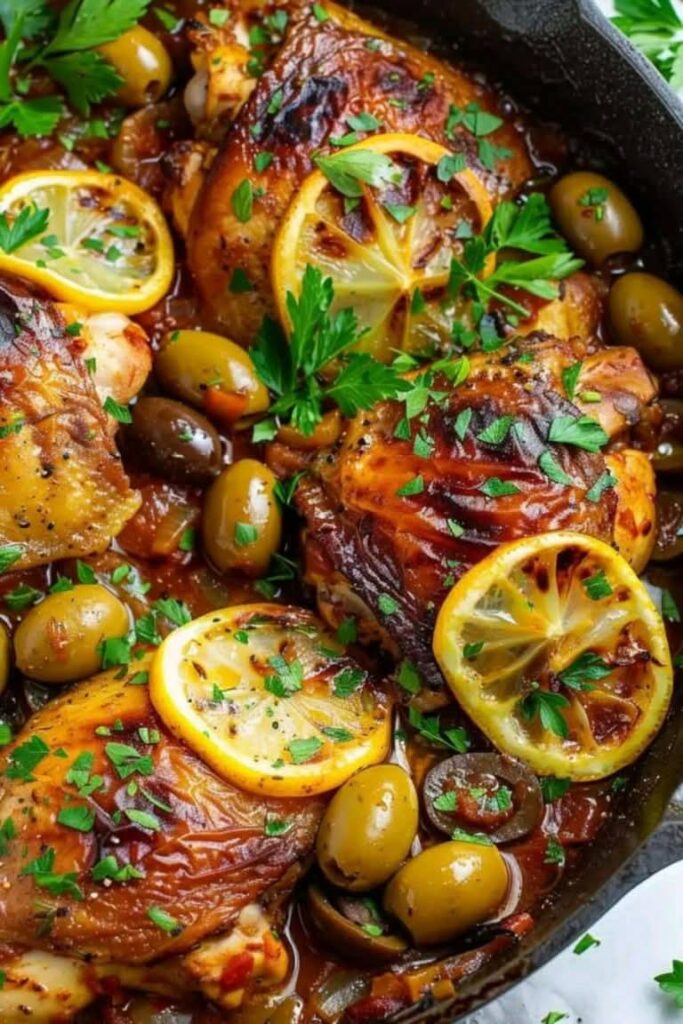
Why You’ll Love This Moroccan Chicken

A true cultural experience: Preparing this delicious Moroccan dish is a culinary journey. Each of these cups will delight your senses. It reminds you of the bustling markets and restaurants in North Africa.

It’s really impressive to make this in one large pot. It saves you a lot of time and makes cleanup a breeze. Hey, here’s my new favorite meal of the week!


Your cooking will be intoxicating with the warm spices, simmered tomatoes, and fragrant herbs. The aroma creates a soothing and warm atmosphere that you’ll enjoy.

The various serving options are varied: This dish is ideally paired with a variety of sides. Serve it with couscous, rice, or crusty bread to enjoy the sauce.


Ingredient
Chicken thighs: You’ll want the chicken to be bone-in and skin-on for this recipe. Trust me; it makes all the difference. These succulent cuts stay juicy and absorb all the rich flavors.
Spice Rub: Make your own with paprika, cumin, ginger, cinnamon,
turmeric, cayenne pepper, and salt. This fragrant blend will give the chicken a delicious taste.
Olive Oil: This is the base of the braising liquid. It adds richness and a real depth of flavor.
Onion and Garlic: My two favorite aromatics. They give the dish its signature savory flavor.
Tomato Paste: A concentrated dose of tomato flavor to intensify the sauce.
Chicken Stock: Another key component of the braising liquid. It keeps the chicken moist and juicy.
Diced Tomatoes: For added texture and a bright acidity in the sauce.
Cinnamon Stick: This will infuse the dish with a subtle, sweet heat. Discard before serving.
Preserved Lemon: This really takes Moroccan chicken to a whole new level.
Green Olives: A staple in Moroccan cuisine. They’re bold and briny, adding a pop of flavor and color.
Fresh Cilantro and Parsley: These vibrant herbs add freshness and a pop of color to the finished dish.
How to Make Moroccan Chicken
Don’t worry, this recipe is a lot easier than it looks!

Read more

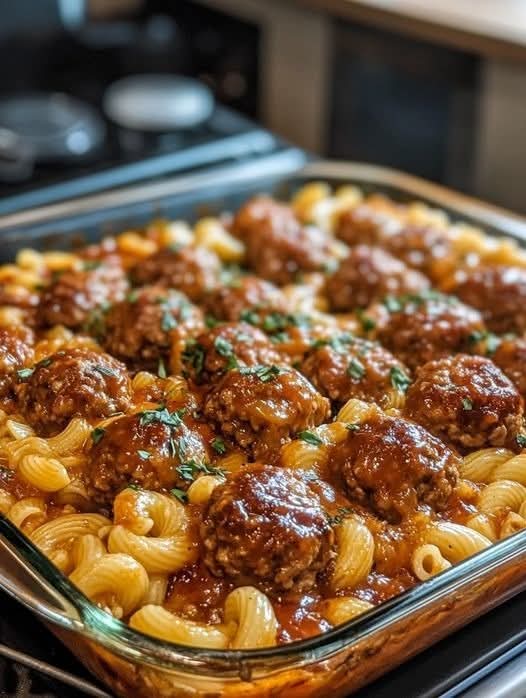
Meatballs and Pasta Bake

Meatballs and Pasta Bake
Ingredients
For the Meatballs:
1 lb (450g) ground beef
1/2 lb (225g) ground pork (or use all beef if preferred)
1/2 cup breadcrumbs
1/4 cup grated Parmesan cheese
1/4 cup fresh parsley, chopped (or 1 tablespoon dried parsley)
1 large egg
2 cloves garlic, minced
1 teaspoon dried oregano
1 teaspoon dried basil
1/2 teaspoon salt
1/2 teaspoon black pepper
For the Pasta:
3 cups macaroni or other small pasta
2 cups marinara sauce (store-bought or homemade)
1 cup shredded mozzarella cheese
1/2 cup grated Parmesan cheese

Read more

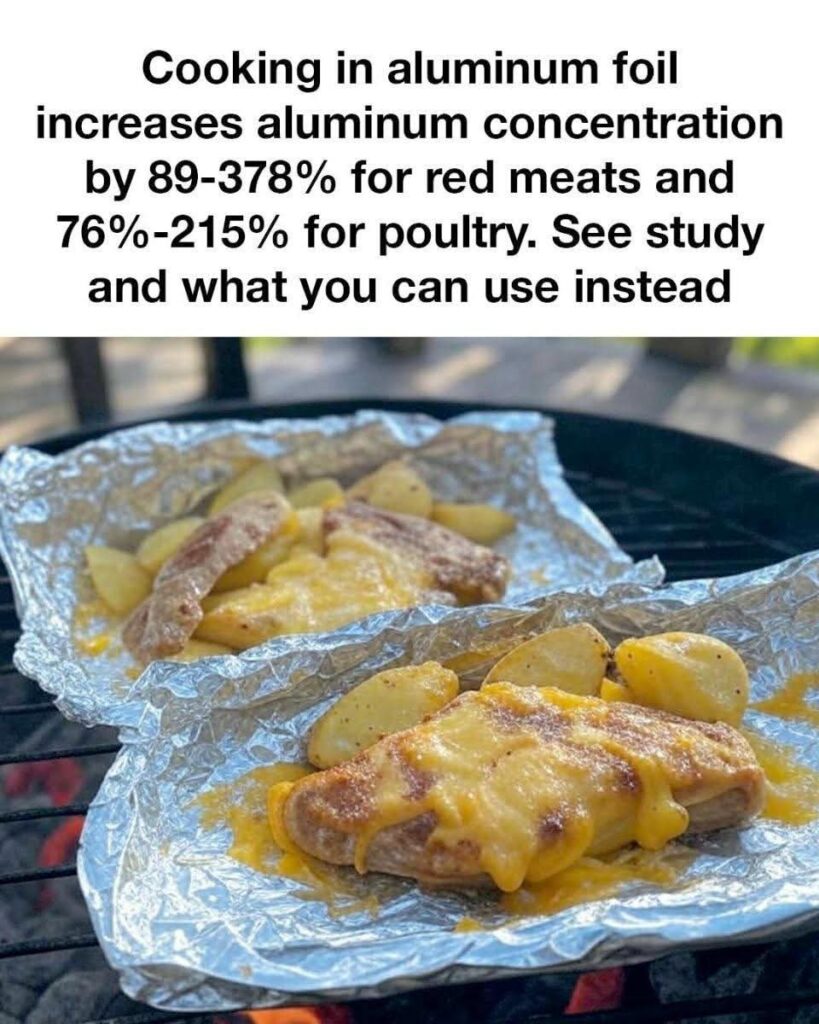
Aluminum Foil in Cooking: Potential Health Risks and Safer Alternatives

Aluminum foil has long been a staple in kitchens around the world, prized for its versatility and convenience. It is commonly used for wrapping food, lining baking trays, and even cooking directly on grills or in ovens. However, concerns have been raised about the potential health risks associated with cooking food in aluminum foil. The primary concern is that aluminum can leach into food during the cooking process, especially when exposed to high temperatures or acidic ingredients. This leaching can lead to increased aluminum intake, which has been linked to various health issues. Understanding the implications of using aluminum foil in cooking is crucial for making informed dietary choices.
Overview of the 2006 Meat Science Study

A study published in Meat Science (Turhan, S., 2006) examined the effect of cooking meats wrapped in aluminum foil at different temperatures and durations: 60 minutes at 150°C, 40 minutes at 200°C, and 20 minutes at 250°C. The results showed a significant increase in aluminum concentration in both red meats and poultry. Specifically:

Red Meats: The aluminum concentration increased by 89% to 378% depending on the cooking conditions. The lowest increase (89–115%) occurred at 150°C for 60 minutes, while the highest increase (153–378%) was observed at 250°C for 20 minutes. For example, raw beef had an aluminum content of 16.39 mg/kg (dry weight), which rose to 30.99 mg/kg at 150°C (an 89% increase) and up to 53.48 mg/kg at higher temperatures (up to a 226% increase relative to the raw baseline).

Poultry: The aluminum concentration increased by 76% to 215%. The least increase (76–115%) was seen at 150°C for 60 minutes, while the greatest increase (153–215%) occurred at 250°C for 20 minutes. For instance, raw chicken breast meat started at 23.58 mg/kg (dry weight), increasing to 28.91 mg/kg at 150°C (a 23% increase, though within the broader poultry range) and up to 60.21 mg/kg at 250°C (a 155% increase).

The study noted that factors like fat content and cooking temperature influenced the migration of aluminum, with higher temperatures and shorter, intense cooking periods leading to greater leaching. The correlation between fat content and aluminum migration was statistically significant.
Understanding the Increase in Aluminum Concentration

The increase in aluminum concentration when cooking with aluminum foil can be attributed to several factors. Aluminum is a reactive metal, and when it comes into contact with food, especially at high temperatures, it can leach into the food. This leaching is exacerbated by acidic ingredients such as tomatoes, vinegar, or citrus, which can further break down the aluminum and increase its transfer to the food. The study’s results suggest that the longer the cooking time and the higher the temperature, the more aluminum is likely to leach into the food. Understanding these factors is essential for evaluating the risks associated with using aluminum foil in cooking.
Health Implications of Increased Aluminum Intake

Increased aluminum intake has been a topic of concern due to its potential health implications. While the human body can handle small amounts of aluminum, excessive intake has been linked to neurological disorders, including Alzheimer’s disease. Aluminum is also suspected to contribute to bone diseases and impair the body’s ability to absorb essential minerals. Although the direct link between aluminum intake from cooking and these health issues is still being studied, it is advisable to minimize unnecessary exposure to aluminum, especially for vulnerable populations such as children and the elderly.
Six Alternatives to Aluminum Foil for Cooking

Read more

Jalapeño Popper Cheesy Chicken Enchiladas with Creamy Sauce

If you’re a fan of the bold, creamy, and slightly spicy flavors of jalapeño poppers but want to turn them into a comforting, cheesy enchilada dish, this recipe is for you! These Jalapeño Popper Cheesy Chicken Enchiladas combine tender shredded chicken, gooey cream cheese, smoky bacon, and spicy jalapeños in a buttery tortilla, all topped with a velvety ranch-inspired sauce and baked to perfection. Perfect for game days, family dinners, or any occasion that calls for indulgence!

Why You’ll Love This Recipe

Loaded with Flavor : The combination of cream cheese, cheddar, bacon, and jalapeños delivers a jalapeño popper-inspired punch.
Creamy Sauce : A rich, tangy sauce ties everything together.
Easy to Customize : Swap cheeses, add heat, or mix in veggies for variety.
One-Pot Meal : Bake everything in a single dish for minimal cleanup.


Ingredients You’ll Need

. For the Filling:
1 lb cooked shredded chicken (rotisserie or grilled works great)
½ cup cream cheese , softened
½ cup shredded cheddar cheese
4–6 jalapeños , diced (seeds removed for less heat)
4 strips cooked bacon , crumbled
2 cloves garlic , minced
1 teaspoon onion powder
1 teaspoon smoked paprika
Salt and pepper to taste
. For the Creamy Sauce:
½ cup sour cream
½ cup mayonnaise
¼ cup milk (whole milk recommended)
½ cup shredded cheddar cheese
1 tablespoon butter
1 teaspoon garlic powder
1 teaspoon dried dill (or 1 tbsp fresh)
Salt and pepper to taste
. For Assembly:
8–10 flour tortillas (8-inch), warmed
1 cup shredded Mexican blend cheese (for topping)

. Optional toppings : Chopped green onions, extra jalapeños, crushed tortilla chips, or bacon bits

Read more

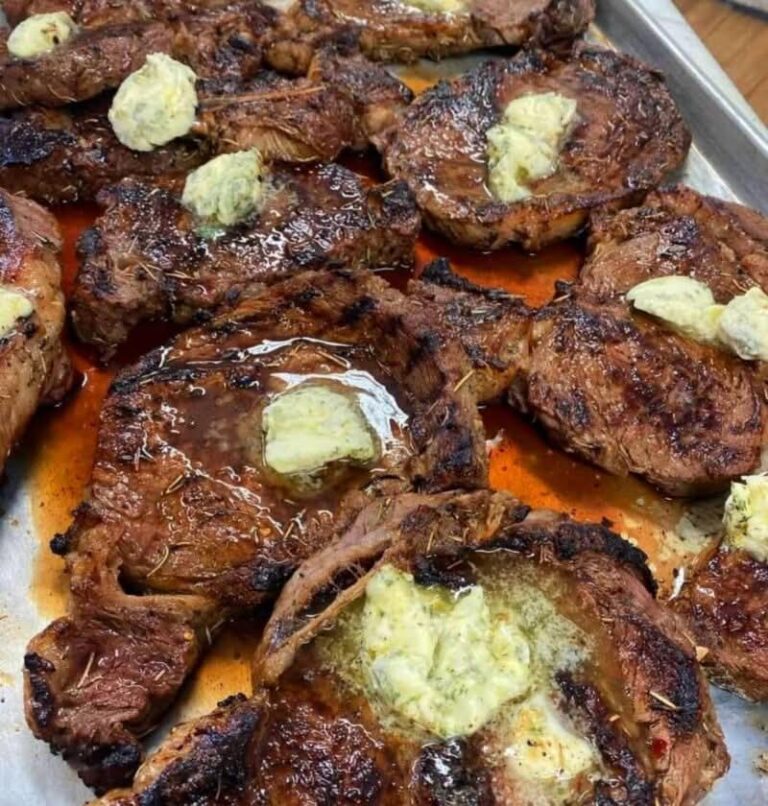
Delicious Weeknight Steak Dinners

  • Introduction

There’s nothing quite like the sizzle of a steak hitting the pan and the aroma filling the kitchen. Whether you’re a seasoned home cook or just looking to add a bit of luxury to your weeknight meals, a delicious steak dinner is the perfect solution. In this blog, we’re going to share a few tips and recipes for creating quick and easy steak dinners that will elevate your weeknight routine without taking hours to prepare.

  • Why Steak?

Steak is a versatile and satisfying protein that can be cooked in a variety of ways to suit your taste. It’s perfect for weeknight meals because it’s quick to cook and can be paired with a variety of sides for a complete and balanced dinner.

  • Tips for the Perfect Weeknight Steak

1. Choose the Right Cut: For a quick dinner, opt for cuts like ribeye, sirloin, or filet mignon. These cuts cook quickly and offer great flavor.


2. Bring the Steak to Room Temperature: Before cooking, let your steak sit out for about 30 minutes. This helps it cook more evenly.

3. Season Generously: Season your steak with salt and pepper or your favorite seasoning blend. Don’t be afraid to add some herbs and spices for extra flavor.

4. High Heat is Key: For a perfect sear, cook your steak on high heat in a skillet or grill. This locks in the juices and creates a beautiful crust.

5. Rest the Steak: Let your steak rest for a few minutes after cooking to allow the juices to redistribute. This makes for a more tender and juicy bite.

  • Recipe: Quick Pan-Seared Ribeye with Herb Butter

Ingredients

2 ribeye steaks (about 1 inch thick)
Salt and pepper to taste
2 tablespoons olive oil
2 tablespoons unsalted butter
2 cloves garlic, minced
1 tablespoon fresh rosemary or thyme, chopped

Read more